Solo Ads Case Studies: Three Documented Campaigns, Opened Up

Every solo ads case study you can find is either real but from 2018, or fresh but hypothetical — invented math with a "results not typical" footnote. As the seller, I can do what the blogs can't: open three real campaigns from my own order book, with the numbers the buyers themselves reported and the screenshots sitting in the reviews archive.
Three campaigns, three different outcomes: 125 clicks that produced 97 subscribers and a first commission in days; 200 clicks that became 110 subscribers and 4 sales; and a $38 order that turned into a $97/month recurring income. The pattern across all three is identical — capture first, sell in the follow-up.
Browse the raw screenshots →Why most solo ads case studies are useless
The ranking pages on this topic split into two failure modes. The real ones date from 2018 and describe a market two algorithm-eras ago. The fresh ones multiply invented percentages — "1,000 clicks means 300–600 leads means 2–6 sales" — numbers derived from nothing. A case study is only worth reading if the numbers were reported by a real buyer and can be checked somewhere. All three below link to screenshots in the archive.
Case #1 — Karim: 125 clicks, 97 subscribers, first commission in days
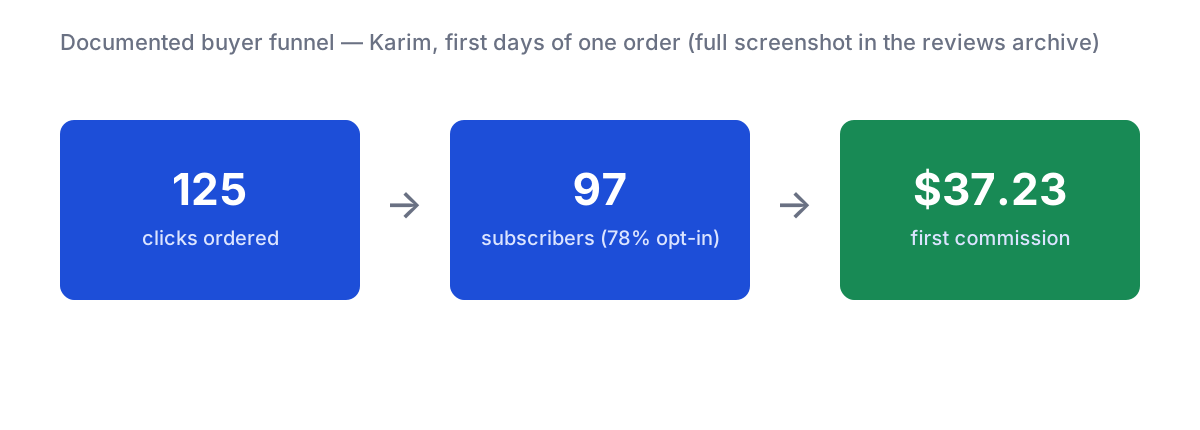
Karim ordered 97 clicks and received 125 — over-delivery did part of the work. His squeeze page converted at 78%, far above the 43% median in my data, and his affiliate offer paid a $37.23 commission within the first days. Read honestly: the campaign roughly paid for itself up front, which is the realistic best case for week one. The asset is the 97 people who joined his list and kept receiving his emails after this page's story ends.
Case #2 — Aldona: 200 clicks, 110 subscribers, 4 sales
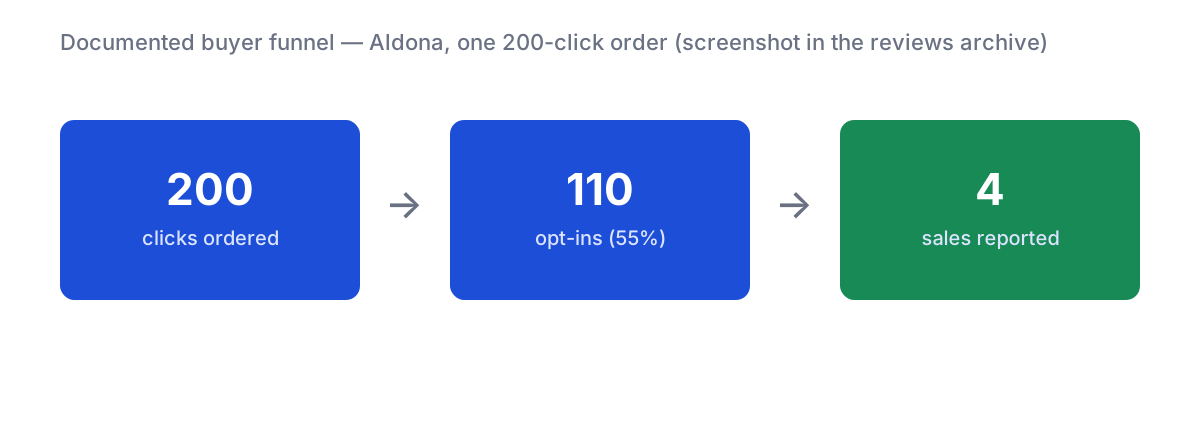
Aldona's 200-click order captured 110 subscribers — a 55% opt-in — and her follow-up sequence closed 4 front-end sales. None of those sales happened on the first click; they came from the emails that followed. Her sequence was written before the traffic arrived, which is the single most repeatable lesson in this article.
Case #3 — Leif: a $38 order that became $97 every month
Leif spent $38 on a small test and promoted an offer with a recurring back-end. One subscriber from that order signed up for a $97/month program — and stayed. A single retained customer now out-earns the entire campaign every month, indefinitely. This is why offer selection beats traffic volume: the same clicks pointed at a one-time $17 product would have written a forgettable story.
What all three did the same
- Opt-in page first. Nobody direct-linked. Every click had one possible next step: join the list.
- Sequence ready before the send. The sales came from follow-up emails that already existed when the traffic started.
- Small tests, measured honestly. 97 to 200 clicks — enough to read opt-in rates, small enough that a miss teaches cheaply.
How to run your own case study
Set up before you spend: your own click tracker on the link, your autoresponder's subscriber count noted, a screenshot of both. After delivery: screenshot the seller's report, your tracker, your new subscriber count, and — over the following weeks — any sales attributable to the sequence. Five screenshots turn a purchase into evidence, and evidence is what you'll wish you had when choosing your second seller. It's also exactly the material my reviews archive is made of, from the buyers' side.
Frequently asked questions
What is a good opt-in rate for a solo ad?
My buyer-reported median is 43%, with a 17–83% range across 23 written reviews. The cases here landed at 78% and 55% — the landing page, not the traffic, explains most of the spread.
Can you make sales directly from solo ads?
Sometimes on the front end — Karim's $37.23 arrived within days — but the documented pattern is sales from the follow-up sequence: Aldona's 4 sales and Leif's recurring $97/month both came after the opt-in, not on the first click.
Are these results typical?
They are real, which matters more. The honest range in my archive runs from campaigns that only built a list to Michael's 11 reported sales. What repeats is the structure: capture page, ready sequence, small test.
Do solo ads still work in 2026?
For list-building in email-native niches, yes — see the full data answer, with delivery numbers and break-even math, in the dedicated article.