Solo Ad Examples That Convert, Annotated by the Seller Who Mails Them
Most "solo ad examples" pages are either one annotated email from 2011 or a dump of twenty-five templates with zero explanation. Neither teaches you anything. I write and send this kind of email every day — the swipes below are the structure I actually mail, annotated line by line so you understand the mechanics instead of copying blind.
A converting solo ad is short, carries one idea, and points every path at a single link. Subject line earns the open, first line earns the read, CTA earns the click — and the P.S. catches the skimmers. Copy the structure, not the words.
See the anatomy figure →The anatomy of a solo ad
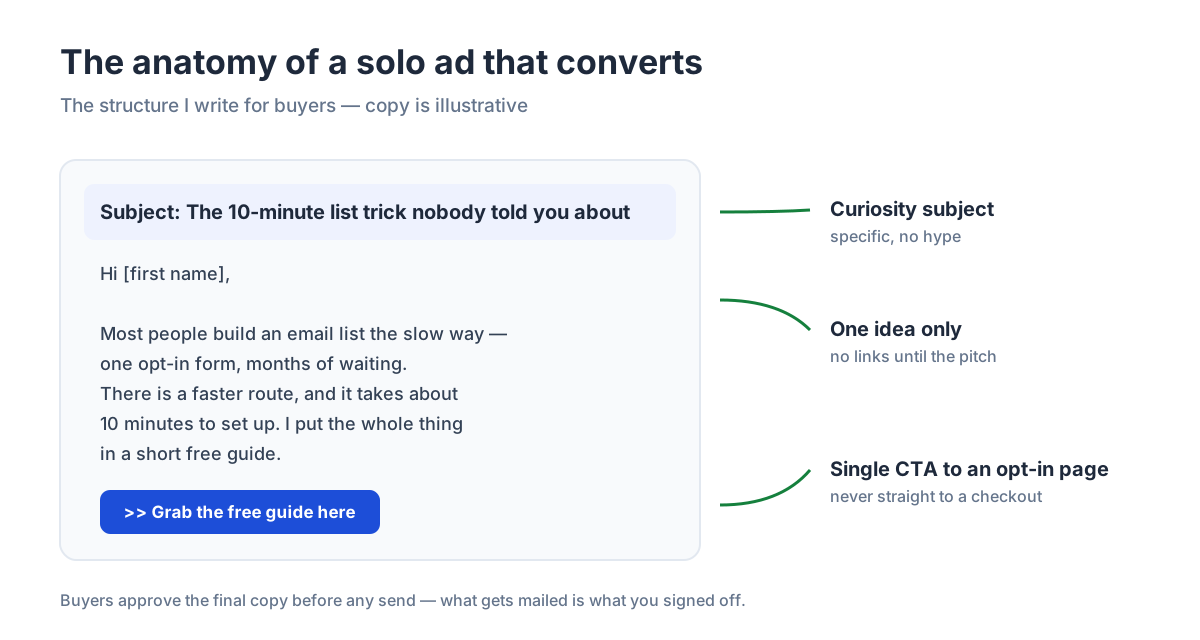
Four parts, each with one job: a subject line that opens without overpromising, an opening line that pays off the subject immediately, a body of 60–100 words carrying exactly one idea, and a single CTA link — repeated in the P.S. for people who skim to the bottom, which is most of them.
Five annotated solo ad examples
1. The shortcut frame (list-building offer)
Subject: The 10-minute list trick nobody told you about
Body promises one specific shortcut, mentions the time cost, links to a free guide. Why it works: "10-minute" makes the ask small; "nobody told you" opens a knowledge gap without hype. The offer is free, so the click is friction-free — the selling happens after the opt-in.
2. The mistake frame (course or coaching offer)
Subject: the mistake that kept my list at 200 people
Body admits a specific error, names the cost, offers the fix behind the link. Why it works: confession beats bragging with cold readers — it lowers defenses and makes the fix feel earned rather than sold.
3. The number frame (method or system offer)
Subject: 118 subscribers from one $55 test
Body states the result plainly, says what it did not require, links to the how. Why it works: a specific, modest number reads as true. "118" outperforms "thousands" with an audience that has seen every inflated claim in existence.
4. The question frame (quiz or diagnostic offer)
Subject: is your opt-in page the problem?
Body asks two diagnostic questions, promises the answer takes one minute, links. Why it works: a question the reader cannot answer creates an itch; a one-minute promise makes scratching it cheap.
5. The deadline frame (launch or discount offer)
Subject: this closes tomorrow night
Body names what closes, when, and the one reason to care — no countdown clocks, no shouting. Why it works: real scarcity states itself calmly. This frame only converts if the deadline is true; burned readers never click a second one.
Why short beats long
A solo ad rides in someone else's email to someone else's list. The reader gives it seconds, not minutes. Long copy tries to close the sale in the email; short copy moves the click to a page built for closing. Every extra paragraph is another exit. Sixty to a hundred words is not a style preference — it's where my sends stop losing people.
Before and after: fixing a weak swipe
Before: "Hi! Are you tired of struggling online? My revolutionary DONE-FOR-YOU system has helped THOUSANDS make money fast!!! Click here now before it's too late!!!"
Three exclamation points, two spam patterns, zero specifics, and a threat for a deadline. Filters dislike it and readers trust it less than silence.
After: "Most people build a list one slow opt-in at a time. There's a faster route — it takes about 10 minutes to set up, and I put the whole thing in a short free guide. >> Grab the free guide here"
One idea, one link, a small specific promise. Same offer, different fate.
Should you write your own swipe?
Ask your seller. I rewrite most buyer swipes before sending, because I know what my list opens and what it ignores — a good seller mails their list daily and carries that knowledge for you. Send your offer and your link; let the person who knows the audience shape the words. Buyers approve my final copy before anything goes out, which is the arrangement to insist on with any seller.
Frequently asked questions
What is an example of a solo ad?
A short email — subject line, 60–100 word body carrying one idea, a single call-to-action link, and a P.S. repeating it — sent by a list owner to their subscribers on your behalf, pointing at your opt-in page.
How do you write a solo ad swipe?
Pick one frame (shortcut, mistake, specific number, question, or deadline), keep the body under 100 words, use one link, and point it at an opt-in page rather than a checkout. Then let the seller adapt the wording to their list.
How long should a solo ad email be?
60–100 words. The email's job is the click, not the sale — the landing page does the closing. Longer copy adds exits, not conversions.
Does the seller rewrite your swipe?
Good ones do. The seller mails their list daily and knows its tone; I adjust most buyer swipes and get approval on the final version before sending — insist on that flow with any vendor.